
Applications now open

Season 2 · 2026–2027

Bring your scienceto the isthmus.

Advanced PhD students and postdoctoral scholars from around the world are invited to share innovative work in neuroscience, neuropsychology, and related fields.

International callUp to six speakersVirtual via Zoom

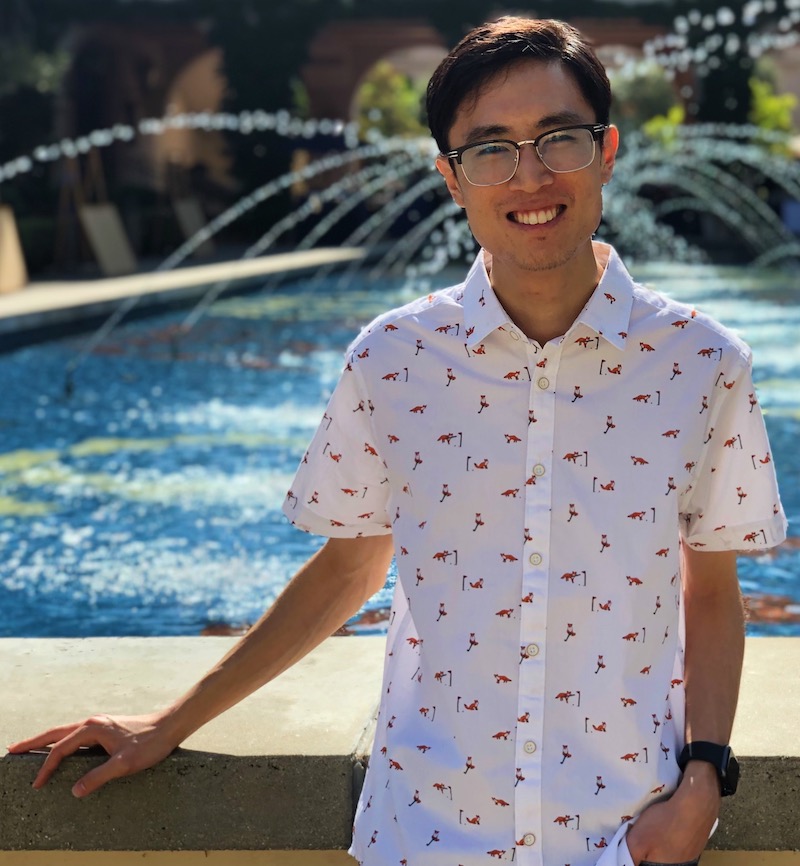
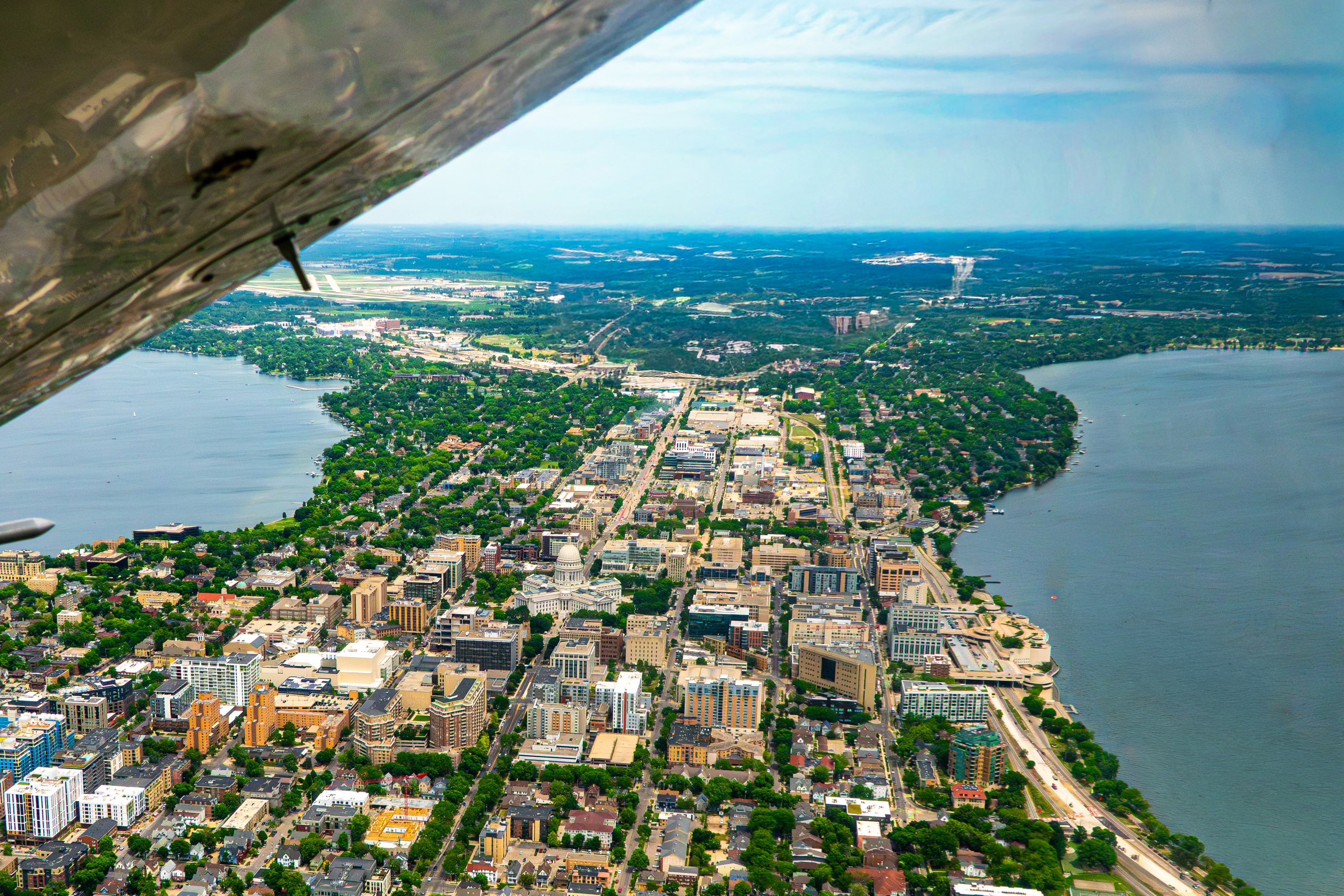
Photo: Ali Mohebi and Gary Lupyan

Season 1 archive2025–26

Brain Talkson the Isthmus

An international seminar series bringing early-career neuroscientists to Madison to share bold, emerging work across brain and behavior.

Mondays1–2 PM CentralBrogden Psychology
Madison, WI

An isthmus of ideas

One city.

Many brains.

11

speakers

2025–26

season

Mohebi & Associates × UW–Madison

11

Invited speakers

11

Universities & institutes

2

Semesters of talks

About the series

New science, shared generously.

Brain Talks on the Isthmus was hosted by Mohebi & Associates with the Biology of Brain and Behavior community at UW–Madison. The series created a platform for advanced PhD students and postdoctoral scholars to present ambitious work and meet scientists across Madison.

Talks spanned circuits, learning, dopamine, memory, behavior, and the many model systems that help us understand how brains adapt.

The program

Eleven talks across the isthmus.

The complete Brain Talks schedule from September 2025 through February 2026.

Fall 2025

7 talks
Clifford Harpole

Cold Spring Harbor Laboratory

Clifford Harpole

Arkarup Banerjee Lab

Vocal repertoire expansion in singing mice by co-opting a conserved midbrain circuit node
Monday, 1–2 PMBrogden Psychology 634
Watch recording
Read talk abstract

How neural circuits generate diverse behaviors is a fundamental question in neuroscience. Distinct behavioral outputs may arise from either dedicated motor circuits or shared circuits operating in different functional states. Using the rich vocal repertoire of the singing mouse (Scotinomys teguina), this work identifies two distinct vocal modes—ancestral ultrasonic vocalizations used for short-range communication and loud, rhythmic songs used over long distances. Despite their acoustic and contextual differences, both modes share a sound-production mechanism, phonatory-respiratory coupling, and vocal gating from the midbrain caudolateral periaqueductal gray. Mathematical modeling and circuit perturbations show how parametric tuning of this central circuit node can produce distinct vocal modes, offering a mechanistic basis for rapid behavioral evolution in mammals.
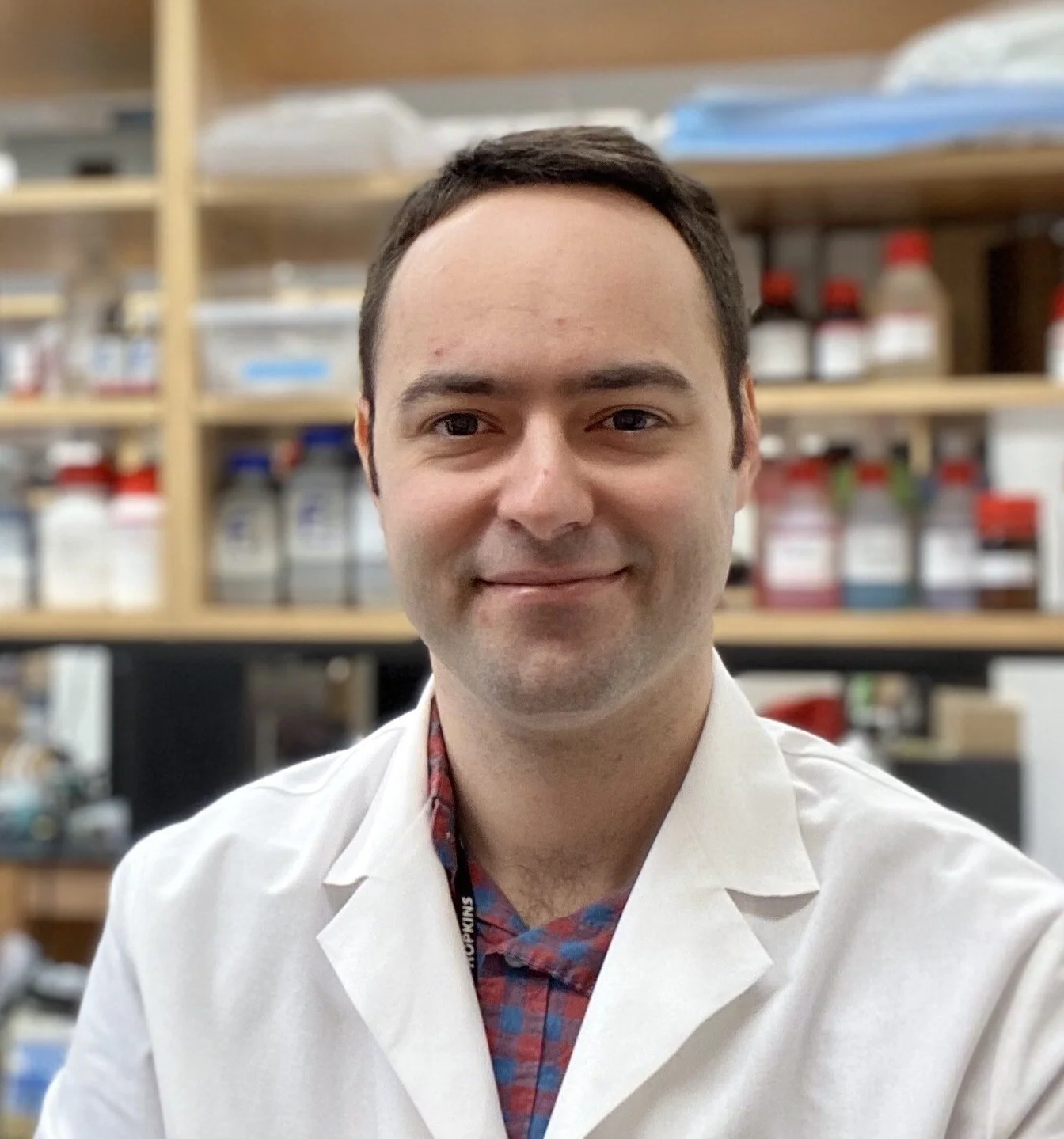

Eric Garr

Johns Hopkins University

Eric Garr

Patricia Janak Lab

Learning cause and effect with the help of mesostriatal dopamine
Monday, 1–2 PMBrogden Psychology 634
Watch recording
Read talk abstract

Temporal contiguity between events—how close they occur in time—is not sufficient to explain learning. However, prominent models of reinforcement learning that are frequently fit to human and animal behavior rely on contiguity to compute values of states and actions. My postdoctoral research sought to understand whether dopamine dynamics still resemble prediction errors when temporal contiguity between events in the environment is left unchanged, but the causal relation between events is altered. Using fiber photometry and optogenetics with outcome-selective contingency degradation in rats, I found that dopamine neuron activity in the midbrain and dopamine release in the ventral striatum are best explained by a model in which dopamine triggers retrospective causal inference. These results were consistent with simulations in which phasic dopamine encodes the sum of learned contingencies between meaningful events, but inconsistent with a standard temporal-difference model in which phasic dopamine encodes a reward prediction error. Overall, this work asks us to rethink how dopamine contributes to basic mechanisms of plasticity.

Marie Doyle

UMass Chan Medical School

Marie Doyle

Danny Winder Lab

Alcohol abstinence precipitates alcohol seeking in association with phenotypic BNST dynamics
Monday, 1–2 PMBrogden Psychology 634
Read talk abstract

Alcohol Use Disorder is defined by shared diagnostic criteria, yet individuals show strikingly diverse drinking patterns and relapse vulnerabilities. To understand how bed nucleus of the stria terminalis (BNST) function varies across individuals, we used the Structured Tracking of Alcohol Reinforcement task to phenotype mice as high, low, or compulsive ethanol drinkers. BNST activation correlated with ethanol intake, while compulsive drinkers displayed elevated BNST calcium transients during drinking despite similar intake across groups. Forced abstinence uncovered phenotype-specific adaptations: high and low drinkers reduced seeking across abstinence, whereas compulsive drinkers persisted and showed increased BNST transients during protracted abstinence. Abstinence experience itself also potentiated compulsive drinking. Together, these findings reveal that ethanol abstinence precipitates increased seeking and compulsive intake linked to dynamic, phenotype-specific BNST activity, identifying a neural correlate of relapse vulnerability and offering insight into the biological diversity of alcohol use disorder.

Christopher Zimmerman

Princeton Neuroscience Institute

Christopher Zimmerman

Ilana Witten Lab

Body–brain interactions in learning
Monday, 1–2 PMBrogden Psychology 634
Watch recording
Read talk abstract

Body-to-brain communication influences nearly every aspect of behavior, from immediate feelings of thirst or hunger to lifelong pair bonds and mood states. Yet technical and conceptual barriers have kept the neural mechanisms underlying these effects largely unexplored. This work develops and applies new tools for studying how signals from internal organs influence neural dynamics in behaving animals, combining systems and computational neuroscience, physiology, biochemistry, and bioengineering. Mouth- and gut-to-brain signals enable the brain’s thirst system to predict changes in hydration before they occur and adjust drinking preemptively. Delayed gut-to-brain food-poisoning signals also reactivate the brain’s representation of flavors from a recent meal, providing a mechanism for learning food aversions. Together, these findings offer neural explanations for long-enigmatic elements of everyday experience while revealing general principles for how learning and motivation are instantiated in the brain.

Tim Currier

Stanford University

Tim Currier

Thomas Clandinin Lab

Infrequent strong connections constrain connectomic predictions of neuronal function
Monday, 1–2 PMBrogden Psychology 634
Read talk abstract

How the brain’s wiring diagram shapes neural computation is a fundamental question in neuroscience. To test the limits of connectome-based functional predictions, I developed a sparse imaging paradigm to characterize the visual selectivity of 91 cell types in the fruit fly optic lobe. Comparing measured responses with connectome-based predictions revealed good performance for some properties, such as orientation tuning, but surprisingly poor performance for others, such as receptive-field size. Strong connections consisting of numerous input synapses exerted a disproportionately large influence on postsynaptic activity: predictions based on a neuron’s single strongest input were as accurate as models considering its full complement of inputs. Strong inputs to a given cell type were also more functionally homogeneous than expected by chance. These results reframe our understanding of structure and function in the brain and define principles for improving future connectome-based functional predictions.

Drew Schreiner

Duke University

Drew Schreiner

Richard Mooney Lab

A synaptic locus of song learning
Monday, 1–2 PMBrogden Psychology 634
Read talk abstract

Learning by imitation is the foundation for verbal and musical expression, but its neural basis remains obscure. A juvenile male zebra finch imitates an adult tutor through a song-specialized cortico-basal ganglia circuit, providing a powerful system for locating the synaptic substrates of imitative motor learning. Combining a computational framework for quantifying song learning with synapse-specific optogenetic and chemogenetic manipulations, we identified the cortico-basal ganglia synapses that drive the acquisition and expression of rapid vocal changes and characterized the hours-long timescale over which those changes consolidate. Transiently augmenting postsynaptic activity in the basal ganglia briefly accelerated learning and persistently altered song. These results identify the synaptic locus that enables a juvenile songbird to learn to sing and reveal the circuit logic and behavioral timescales of imitative learning.

James Siho Lee

The Rockefeller University

James Siho Lee

Cori Bargmann Lab

An unusual, protective behavior in the arsenic-resistant nematode Tokorhabditis tufae
Monday, 1–2 PMBrogden Psychology 634
Read talk abstract

Anthropogenic change is creating environments enriched in toxic chemicals, including arsenic-contaminated drinking water. To understand biological resilience, we study Tokorhabditis tufae, a culturable nematode isolated from arsenic-rich Mono Lake. Unlike most nematodes, T. tufae hatches its progeny internally and gives birth to live young. Pharmacology and immunostaining reveal distinct neurobiological control of live birth, with changes that support egg retention and internal hatching. Gestation protects progeny from toxins until they are born in a stress-resistant dauer stage, and developing progeny transition from quiescence to a mobile state that facilitates birth through their own movement. These findings suggest that adaptation to an extreme environment involves coordinated neurobiological, physiological, and behavioral changes. Ongoing international collaborations are establishing T. tufae as a model for studying how neural circuits and behaviors evolve in contaminated environments.

Spring 2026

4 talks
Miral Abdalaziz

University of Wisconsin–Madison

Miral Abdalaziz

Ari Rosenberg Lab

Beta oscillations in parietal cortex dynamically mediate the interplay between endogenous and exogenous processing
Monday, 1–2 PMBrogden Psychology 634
Read talk abstract

Flexible visuospatial behavior requires transforming sensory input into stable, internally maintained action plans, a process thought to involve posterior parietal cortex. We recorded spiking activity and local field potentials from areas CIP and V3A in rhesus macaques performing memory-guided and visually guided saccade tasks. A brief, task-specific transient of beta-band synchronization emerged after target offset during memory-guided trials but was absent during visually guided behavior. It appeared earlier in CIP than V3A, predicted subsequent saccade accuracy, and preceded a sustained increase in induced beta power that also scaled with performance. Visually guided trials instead showed sustained beta suppression related to accuracy. Across tasks, beta dynamics showed a push–pull organization: suppression accompanied externally driven orienting, while enhancement accompanied endogenous maintenance. We propose that transient beta synchronization marks a hierarchical control signal that reconfigures network states for stable, internally guided action.

Hannah Wirtshafter

Northwestern University

Hannah Wirtshafter

A universal hippocampal memory code across animals and environments
Monday, 1–2 PMBrogden Psychology 634
Read talk abstract

The ability to generalize learning across contexts is essential for navigating the world. We used calcium imaging to monitor hippocampal neurons as animals performed a conditioning task across multiple spatial contexts, asking whether cells could preserve task information even as their spatial encoding remapped. Dimensionality-reduction and machine-learning methods revealed that task-related neural representations remained stable while place-cell representations changed, producing similar embedding geometries across contexts. These patterns were consistent not only within individual animals but also across animals, suggesting a shared “neural syntax” in the hippocampus. The findings bridge memory and navigation research by showing how the hippocampus maintains cognitive consistency across different spatial environments, and suggest a common neural framework with broad implications for understanding memory, learning, and related cognitive processes.

Pei-Yin Shih

Columbia University

Pei-Yin Shih

Andrés Bendesky Lab

Genetic and neurobiological mechanisms of aggression in Siamese fighting fish
Monday, 1–2 PMBrogden Psychology 634
Read talk abstract

Aggression is a fundamental social behavior used to gain and defend resources, territories, and mates. To explore its genetic basis, we leveraged Siamese fighting fish, which have been selectively bred for fighting for more than 700 generations. Controlled visual stimuli, including custom fish animations and 3D-printed models, quantified the markedly increased aggressive displays and biting attacks of fighting betta. Population-genetic analyses identified a strong selection signal centered on the neuroligin 1 gene. Although no coding differences were found between fighting and wild fish, fighting betta express two to four times less nlgn1 mRNA and show distinct spatial expression patterns during development. CRISPR/Cas9-mediated knockout fish will help establish nlgn1’s role in aggression and its mechanism of action. This work provides insight into the molecular, genetic, and neuronal mechanisms of aggressive behavior and the evolution of social behavior.

Robert Rozeske

Special guest · Invited talk

University of Toronto Scarborough

Robert Rozeske

Department of Psychology

Fear learning alters neural representations of threatening and neutral contexts
Monday, 1–2 PMBrogden Psychology 121
Read talk abstract

Assessing an environment as threatening or neutral is critical for survival, and impairments in this process are central to post-traumatic stress disorder. We investigated context-fear discrimination using in vivo recordings during a novel context-retrieval task. Calcium microendoscope imaging in the dorsal and ventral hippocampus showed that fear conditioning strongly alters ventral hippocampal context representations, with greater changes associated with higher fear expression. Conditioning also increased the overlap between representations of threatening and neutral contexts. In a second set of studies, fiber photometry revealed that dopamine signaling in the medial prefrontal cortex is selectively altered during specific task phases. Together, these findings characterize hippocampal and prefrontal dynamics associated with context-dependent fear and provide a framework for understanding how spatial representations and neuromodulatory signals shape emotional behavior.

Keep exploring

More ideas from our community.

Explore lab resources or see the broader Biology of Brain and Behavior seminar program.